

What is hard water?
Hard water is basically water that contains calcium carbonate (CaC03) and magnesium sulfate (MgSO4). The higher the content of these salts, the harder the water increases.

When excess calcium carbonate or bicarbonate salts in water can be removed by boiling, this is known as temporary hardness. When MgSO4 cannot be removed by boiling, it is called permanent hardness.
Does hard water really cause hair loss?
There is some ambiguity among doctors and scientists about the effect of hard water on hair. A research study published in the Journal of Trichology in 2013 showed that hard water does not affect the strength of your hair or cause it to fall out.
However, a recent study published in 2016 found a link between using hard water and hair loss. Washing hair with hard water creates excess mineral deposits in the hair, which can lead to split ends and hair that is dry, brittle and prone to breakage.
How to identify hard water?
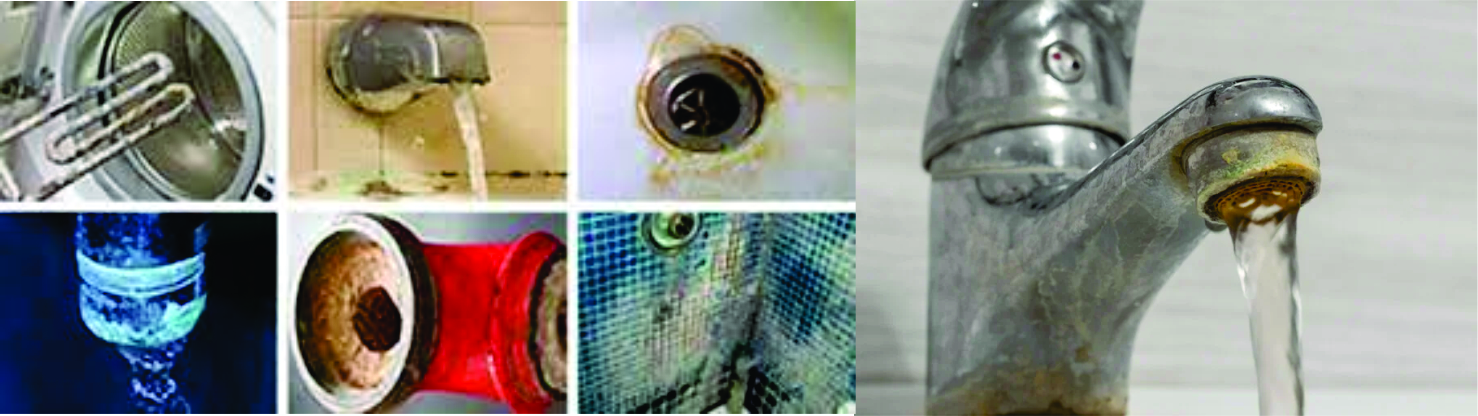
The term “hard water” refers to water that contains excess mineral deposits such as calcium and magnesium salts. Groundwater is often hard water because it contains natural minerals found in the ground.
Also read: Inflammation: Causes, Symptoms, Diagnosis and Treatment
The World Health Organization (WHO) has given the following guidelines to classify water hardness according to the amount of calcium or magnesium salts in parts per million (PPM) in the water:
Water of 60 ppm or less is considered fresh water.
Water containing more than 60 parts per million is considered hard water.
Tips to Reverse Hard Water Hair Damage
Here are some tips and suggestions to help reverse the effects of hard water on your hair:
1. Use the Purifying Shampoo and Deep Moisturizing Conditioner
There are many deep conditioning products that can help combat dryness and hair damage caused by hard water. Use natural moisturizers like almond oil, jojoba oil, or argan oil to make your hair soft and shiny.
2. Use a water softener
Water hardness are products that help reduce or remove minerals and trace elements from hard water. They achieve this through the ion exchange method.
Water softeners can help remove calcium, magnesium, iron, manganese, arsenic, sulfates, and even some heavy metals from your water. However, it does not remove any microorganisms from the water.
3. Install the shower head filter
Installing a shower filter can help remove excess minerals, harsh chemicals, and bacteria from the water. Shower filters reduce the damage caused by hard water on hair and skin.
Also read: 6 home remedies for impetigo
4. Final rinse with filtered water
Hard water can leave mineral deposits in your hair, making it greasy and frizzy. Rinsing your hair with some filtered water before you get out of the shower can help remove these deposits.
5. Apply hair treatments
Hair masks can help condition your hair to keep it healthy and hydrated. This helps reverse the drying effects of hard water on the hair.
Various moisturizing products such as aloe vera gel, honey, and avocado can be used to make all-natural hair masks at home. You can combine honey with onion juice or aloe vera gel to promote hair growth and moisturize your hair.
6. Apply hair serum after shower
Hair serum helps nourish and soften hair. Regular use of hair serum can help neutralize the effect of hard water on your hair, eliminating frizz and dryness. how to use:
1 teaspoon of honey
1 tablespoons of aloe vera gel
Steps:
Mix well all the ingredients.
Apply this mixture on the scalp and hair.
Let it sit for half an hour before washing it off with filtered water.
What are the side effects of hard water on hair?
Hard water can have certain side effects on your hair, including:
1. Lighten the hair
The hardness of the water can cause hair to become dry and damaged, which in turn leads to hair loss. In addition, hair washed with hard water has a less dense and flattering appearance due to the deposition of minerals on the hair.
2. Reduces the strength and elasticity of the hair
A 2016 study demonstrated the negative effects of water hardness on hair strength. The study concluded that hard water can reduce the tensile strength of hair and make it more prone to breakage.
However, previous studies have shown no difference in hair strength when treated with hard or soft water.
Also read: 7 ways to use chamomile tea for your skin and hair
3. Increases dryness of the hair and scalp
The excess mineral content of hard water can cause hair to dry out and become brittle easily. Mineral deposits in hair can make it feel greasy and lifeless.
Frequent questions
How do I know if the water is hard or soft?
Hard water makes it hard to clean things properly. For example, it leaves hands dirty, doesn’t wash clothes or dishes well, and requires a lot of soap and effort to wash things properly.
How do I soften hard water at home?
Water softeners can be used to soften hard water in the home. Also, you can try any of the different methods mentioned above to avoid the negative effects of hard water on your hair.

